Long Covid Land Toolbox
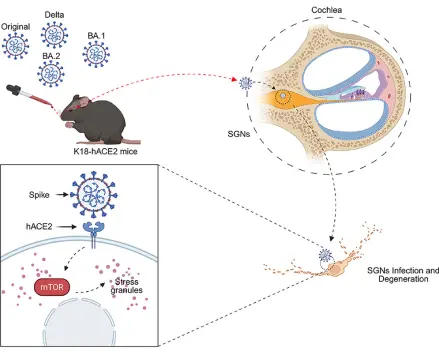
SARS-CoV-2 directly infects the inner ear and causes hearing dysfunction
April 28, 2026
Coronavirus disease 2019 (COVID-19) results from infection with severe acute respiratory syndrome coronavirus 2 (SARS-CoV-2) virus.1,2,3 Population epidemiological studies have shown that SARS-CoV-2 virus infection can be associated with sudden sensorineural hearing loss (SSNHL). Kim et al.4 suggest a heightened risk of hearing loss and SSNHL in young adults following SARS-CoV-2 infection. This hearing impairment may result from SARS-CoV-2 damaging the auditory-vestibular system.5 Additionally, some patients progress to permanent hearing loss, which may be considered a phenotype of long COVID within the broader category of post-acute sequelae of SARS-CoV-2 infection.6,7,8,9,10,11,12,13 In clinical practice, hearing loss associated with SARS-CoV-2 infection is typically addressed using treatment protocols established for sudden deafness, which commonly involve using glucocorticoids to mitigate the inflammatory response in the inner ear. However, the efficacy has been disappointing due to limited research on the impact of SARS-CoV-2 on auditory function.14 Consequently, it is of vital importance to explore the impact of SARS-CoV-2 infection on the inner ear and the underlying mechanisms.
Overview and Pathophysiology of Long COVID
March 18, 2026
By Elisa Perrgo
Covid for Doctors Part 2
March 11, 2026
Long Covid Knowledge Hub
Long Covid: Symptoms, Management and Real-Life Understanding
Long covid symptoms can be complex, fluctuating, and difficult to understand. Living with long covid rarely follows a clear pattern, and symptoms are not always visible in standard tests or routine investigations.
LongCovidJourney is an independent patient-led, evidence-informed long covid knowledge hub built from lived experience and supported by current research and clinical understanding. The site explores long covid symptoms, post-exertional malaise (PEM), dysautonomia, brain fog, autonomic dysfunction, fatigue, pacing, invisible illness, and the real-world impact of post-viral conditions on daily life.
This site exists to explain what living with long covid actually feels like, how symptoms behave in real life, and why many people remain unwell despite normal scans, blood tests, or medical investigations.

Why Covid-19 is “a vascular disease masquerading
as a respiratory one”
February 2026
Cardiovascular complications from covid-19 have been seen widely since the early days of the pandemic, when a small study in Wuhan reported myocardial injury in several patients.1 Soon after, studies found that up to 30% of those admitted to intensive care units showed myocardial injury.23
“In many respects covid-19 is a vascular disease masquerading as a respiratory one,” says Andy Benest, vascular biologist at the University of Nottingham.
Although covid is transmitted through the respiratory system, much of the pathology unfolds in the vascular system, with microvascular damage, thromboinflammation, and dysregulated perfusion underpinning the cardiac, pulmonary, and neurological manifestations of severe disease.
“The virus enters through the airways but exerts its systemic effects through the vasculature, the common denominator in the lungs, heart, kidneys, and brain,” Benest tells The BMJ.
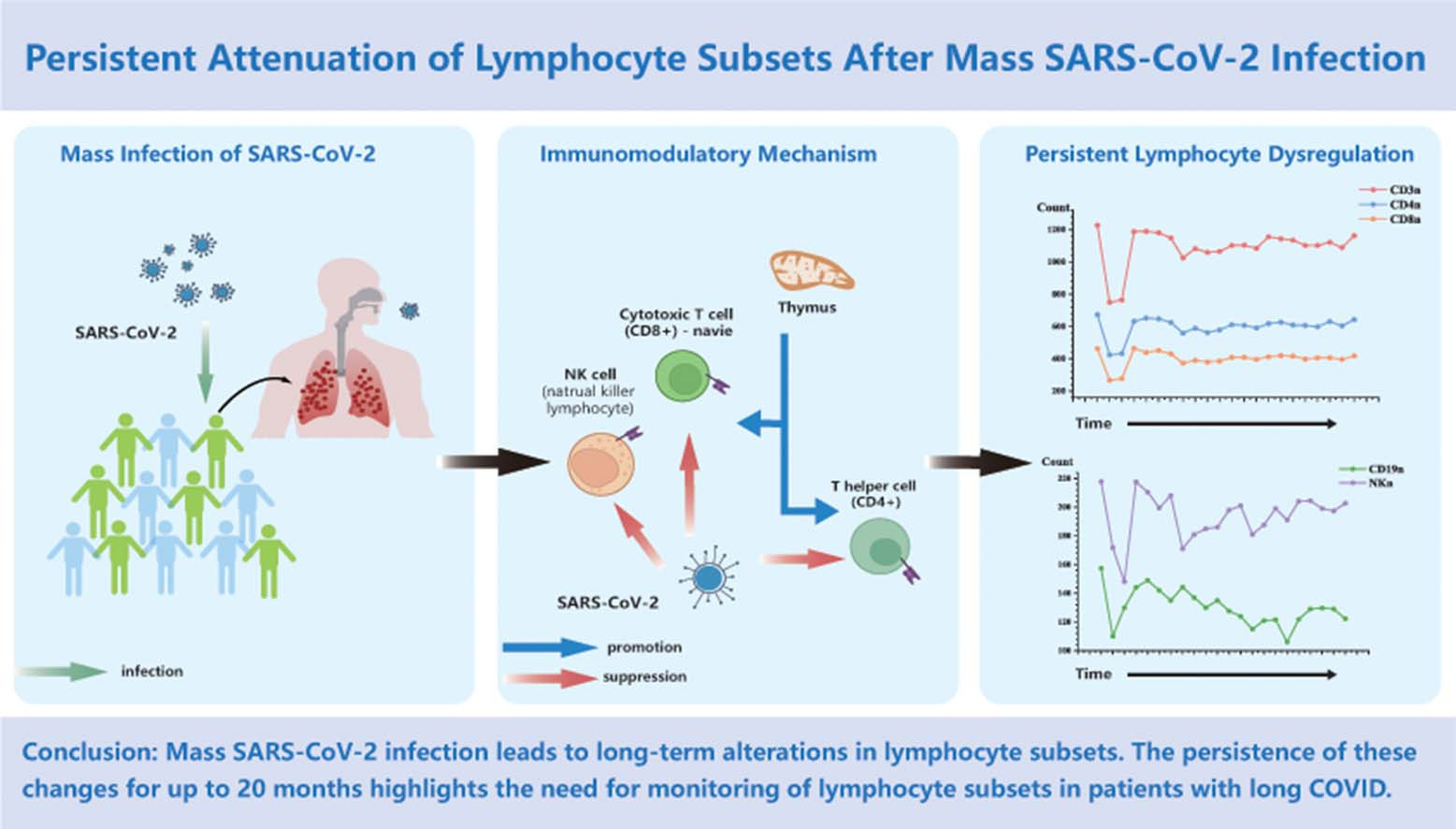
Persistent attenuation of lymphocyte subsets
after mass SARS-CoV-2 infection
February, 2026
Highlights
The impact of SARS-CoV-2 on lymphocytes was especially severe in patients with CVD.•
Airfanta Space with Engineer Wong 3.0
November 22, 2025 Hosted by @cb_grl & @Dave_it_up