
LCL Kids

The association of in utero SARS-CoV-2 exposure on neurodevelopmental outcomes at 12 and 22 months
July 24, 2026
Although vertical transmission of SARS-CoV-2 from mother to fetus is rare, the neurodevelopmental impact of in utero SARS-CoV-2 exposure on infants needs further elucidation.
Objective
To investigate the neurodevelopmental outcomes at 12 and 22 corrected age among infants who had exposure to confirmed maternal SARS-CoV-2 infection during pregnancy.
Results
A total of 142 infants were recruited and included in the study. Of those, a one-month assessment was completed in 141 (99%), a 12-month assessment completed in 63 (44%), and a 22-month assessment completed in 44 (31%) infants. At one month, most infants had no medical concerns; 11 infants were re-admitted to the hospital within the first month of life, predominantly for hyperbilirubinemia. At 12 months, median ASQ and CSBS scores were above standardized cut-offs for development across all developmental domains. At 22 months, while the median standard cognitive, language, and motor scores were within the average classification (25–37th percentile), twenty-three (52%) infants presented with developmental impairment (score <85); 13 (30%) in motor, 17 (39%) in language, and 13 (30%) in cognitive domains. Nine (20%) infants were below cut-off for all three domains. Multivariable logistic modelling did not identify an independent relationship between trimester of SARS-CoV-2 acquisition or positive SARS-CoV-2 test at delivery and the presence of developmental delay on BSID-IV in any domain. No child had hearing impairment or blindness.

Long-Term Outcomes of Multisystem Inflammatory Syndrome in Children up to 4.5 Years After COVID-19
June 10, 2026
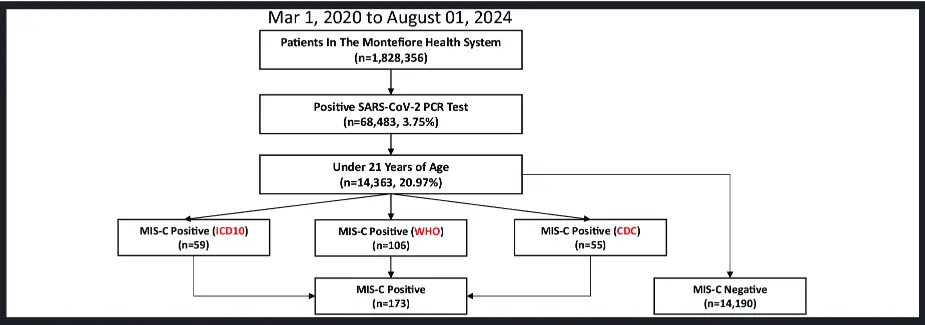
Multisystem inflammatory syndrome in children (MIS-C) is a rare but severe postinfectious complication of SARS-CoV-2 infection, frequently requiring admission to an intensive care unit. Both the Centers for Disease Control and Prevention (CDC) and World Health Organization (WHO) define MIS-C as a hyperinflammatory condition characterized by fever, markedly elevated inflammatory markers, and multisystem organ involvement in the absence of an alternative plausible diagnosis.1,2 Since its first recognition in 2020, MIS-C has been reported worldwide, with mortality ranging from 1% to 2% and up to 67% of affected children requiring vasopressor or ventilatory support.3–6 In the United States alone, national surveillance has identified more than 9783 cases of MIS-C and more than 80 associated deaths as of September 2025, with disproportionately higher incidence among Black and Hispanic children.7 Despite declining incidence, MIS-C remains a clinically relevant condition with potential long-term sequelae, necessitating deeper understanding to guide effective treatment and morbidity-prevention strategies.

Reinfection Raises Long COVID Risk in Children and Adolescents
By Olivia Dimmer, May 8, 2026
Children and adolescents who are reinfected with SARS-CoV-2 face a significantly higher risk of developing long COVID, according to a large, multi-institutional study published in The Lancet Infectious Diseases.
The study, which analyzed electronic health record data from 40 children’s hospitals and health systems across the United States, found that young patients who experienced a second confirmed SARS-CoV-2 infection during the omicron period were more than twice as likely to receive a clinician-documented diagnosis of post-acute sequelae of COVID-19 (PASC) as those in the same calendar period after a first infection.
“This work comes out of the NIH-funded RECOVER Initiative, which was established to understand the long-term consequences of SARS-CoV-2 infection,” said David Liebovitz, MD, professor of Medicine in the Division of General Internal Medicine, and a co-author of the study. “Earlier work helped define long COVID in children after a first infection, but once omicron became dominant and reinfections became routine, a pressing clinical question emerged: does getting COVID a second time carry its own distinct risk of long COVID, or does prior infection confer meaningful protection? Existing pediatric evidence was thin, mostly based on small survey-based studies with self-reported outcomes and limited ability to control for confounders.”

Study links long COVID in kids to worse grades, attention, and social life

Children and adolescents with long COVID are significantly more likely to experience worsening grades, difficulty concentrating, and having limited fun with friends, according to a new study published in Academic Pediatrics.
The findings, drawn from the National Institutes of Health–funded Researching COVID to Enhance Recovery (RECOVER) observational pediatric cohort, suggest that the impacts of long COVID in kids and adolescents extend beyond physical symptoms and may disrupt key aspects of learning and social development.
Poorer grades, shorter attention span
Researchers led by a team at Massachusetts General Hospital analyzed data from 1,976 participants ages six to 17 years, including 406 school-aged children (ages six to 11) and 1,570 adolescents (12 to 17), comparing school and social outcomes for those with and without long COVID…
In utero COVID exposure linked to brain changes, developmental delays, anxiety, and depression

January 5, 2026
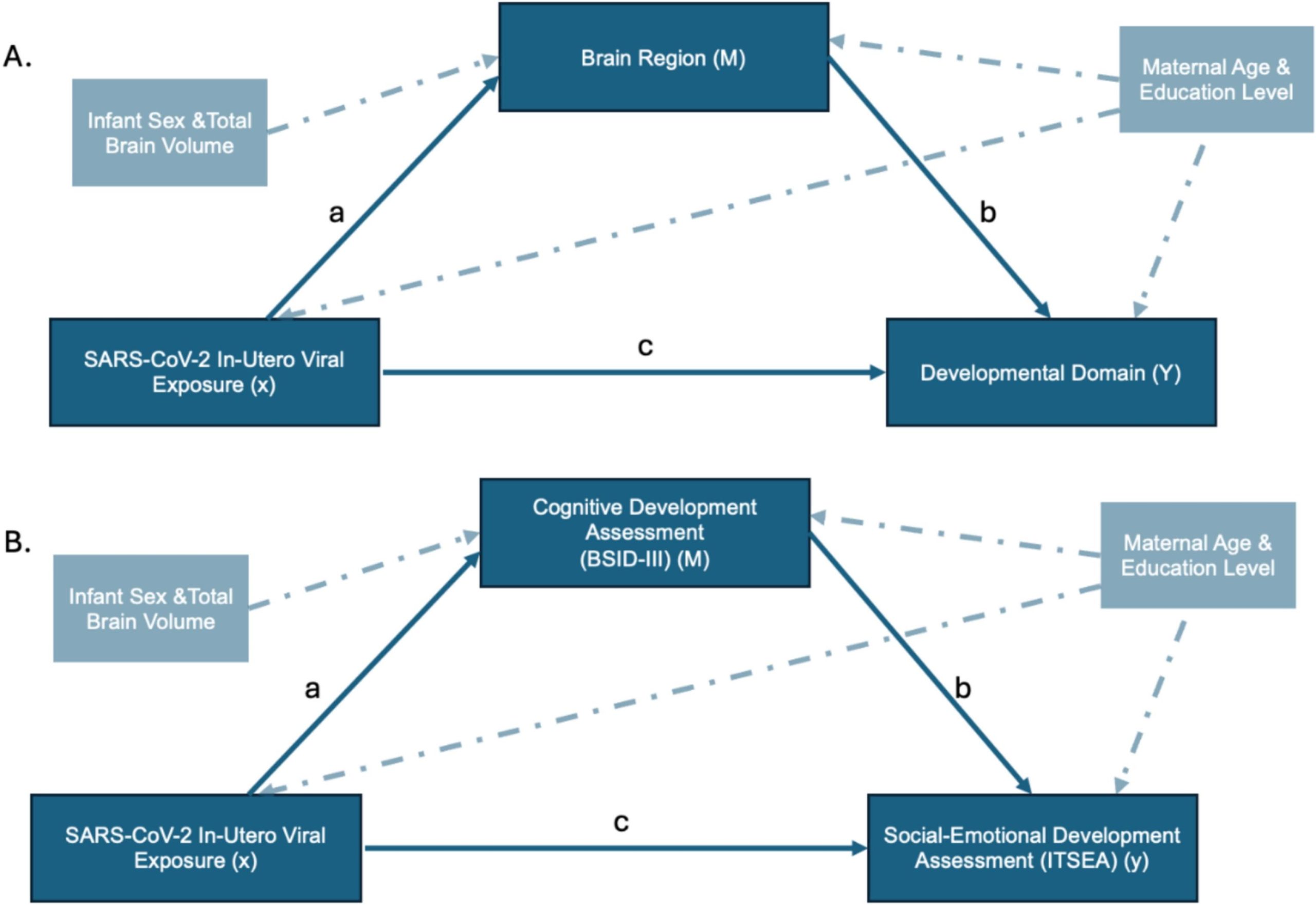
In utero SARS-CoV-2 exposure may predispose children to altered brain volumes, impaired cognition, and internalizing emotional problems such as anxiety and depression, researchers from Children’s National Hospital and George Washington University write in Brain, Behavior, and Immunity.
The team enrolled 39 mother-baby pairs in Washington, DC, who had been exposed to COVID-19 during pregnancy from 2020 to 2022 and compared them with 103 normative pairs from before the pandemic (2016 to 2019). None of the infected women had been vaccinated against SARS-CoV-2.
When infants were 2 weeks old, they underwent quantitative 3D volumetric magnetic resonance imaging (MRI). Two years later, they were assessed with the Third Edition of the Bayley Scales of Infant and Toddler Development (BSID-III) and the Infant-Toddler Social and Emotional Assessment (ITSEA). Mothers were also evaluated with the Perceived Stress Scale to account for psychological distress that may have exacerbated the effects of SARS-CoV-2 exposure on the fetus…

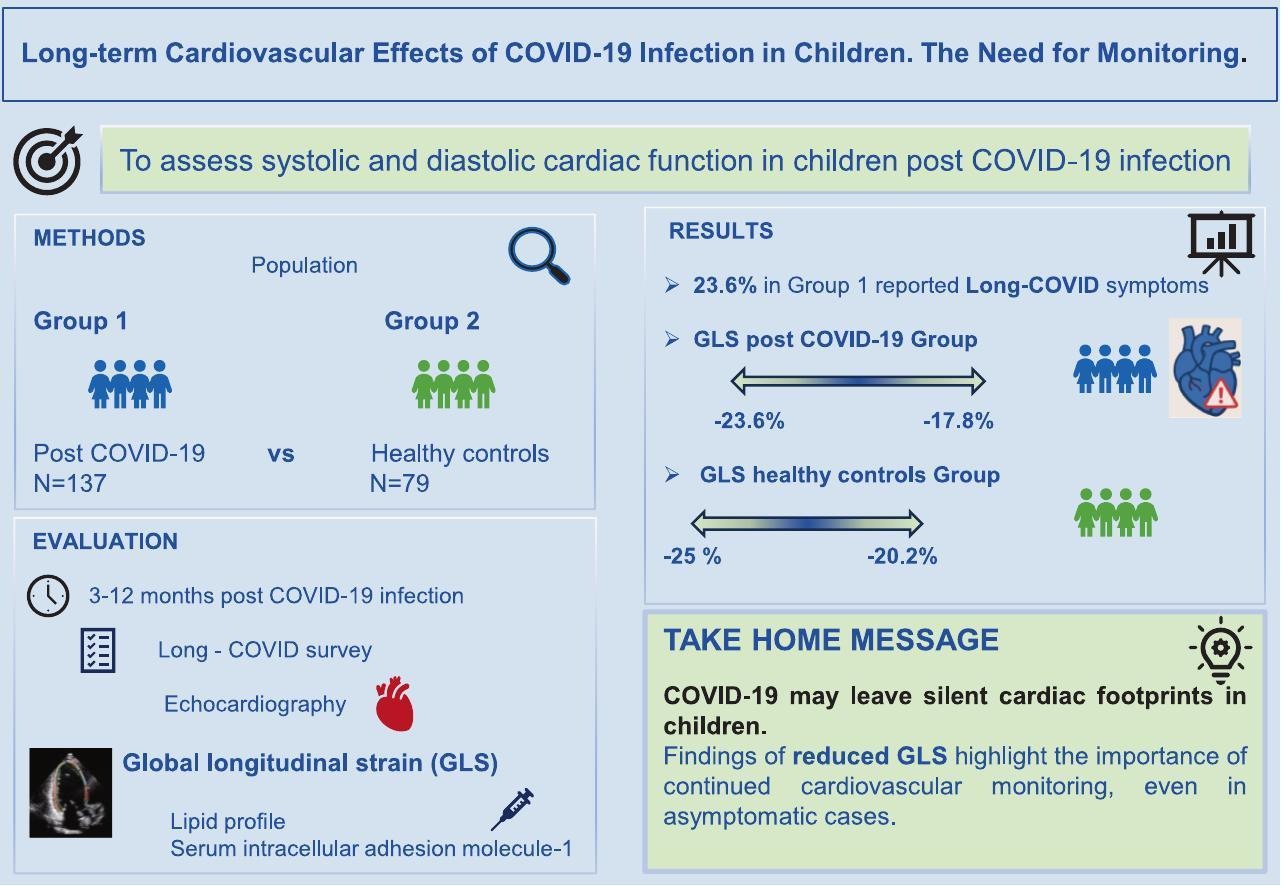
Long term cardiovascular effects on COVID-19 infection in children. The need for monitoring
January 2026
Highlights
The COVID generation: the neurodevelopmental consequences of in-utero COVID-19 exposure
December 2025
Background

Rising Burden of Paediatric Long COVID After Reinfection

October 26, 2025
Rising Burden of Paediatric Long COVID After Reinfection
The long-term impact of SARS-CoV-2 infection on children remains a pressing public health concern, particularly in the context of paediatric long COVID, also referred to as post-acute sequelae of SARS-CoV-2 infection (PASC). While early studies focused on initial infections, the effects of reinfection during the omicron era have been unclear. A large-scale retrospective cohort study, conducted through the Researching COVID to Enhance Recovery (RECOVER) Initiative, has now provided important insights into this issue by examining data from 40 children’s hospitals across the United States.
The study included 465,717 children and adolescents under 21 years of age who had a documented SARS-CoV-2 infection between January 2022 and October 2023. Of these, 58,417 (12.5%) experienced reinfection confirmed by PCR, antigen test, or clinical diagnosis at least 60 days after their first infection. Researchers compared rates of PASC diagnoses (U09.9) and 24 symptoms previously linked to long COVID between first and second infections, adjusting for demographic, clinical, and health utilisation factors.
Reinfection Doubles Risk of Long COVID and Multisystem Effects…

Long COVID associated with SARS-CoV-2 reinfection among children and adolescents in the omicron era (RECOVER-EHR):
a retrospective cohort study

September 30, 2025
Background
Findings
Characterizing Long COVID Symptoms During Early Childhood

May 27, 2025
JAMA Pediatr. Published online May 27, 2025. doi:10.1001/jamapediatrics.2025.1066
Question Which prolonged symptoms in early childhood are associated with SARS-CoV-2 infection?
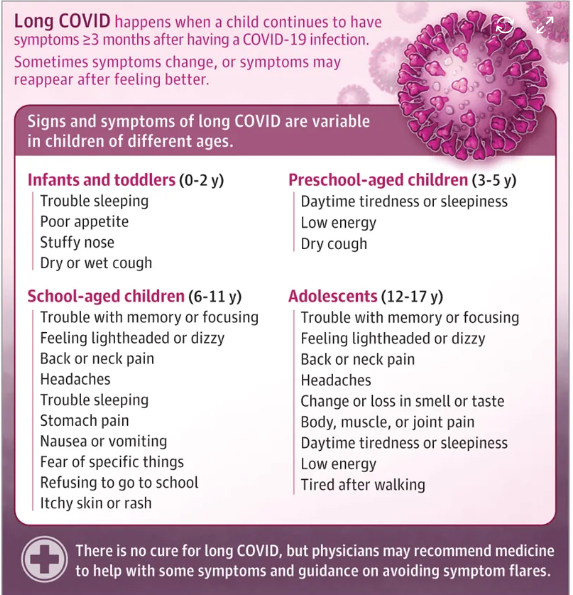
Findings In the Researching COVID to Enhance Recovery (RECOVER)–Pediatrics cohort study including 472 infants/toddlers and 539 preschool-aged children, prolonged symptoms were identified that were more common in young children with infection history than those without. Infants/toddlers (0-2 years) with infection history were more likely to experience trouble sleeping, fussiness, poor appetite, stuffy nose, and cough, and preschool-aged children (3-5 years) were more likely to experience dry cough and daytime tiredness/sleepiness or low energy; empirically derived indices for long COVID research were developed from these symptoms.
Meaning Results of this cohort study suggest that symptom patterns were distinguishable across infants/toddlers and preschool-aged children, and from previously studied older children and adults.

ANSWERED: Is COVID-19 Harmful to Children?
A Compilation of Peer-Reviewed Medical Research
April 30, 2025
A growing mountain of evidence, since 2020, has wildly disproven claims about COVID-19 being harmless in kids. New research now shows that Long COVID is common and has surpassed asthma as the leading chronic illness in children after just a few years of mass, repeated infections. We here at the Pandemic Accountability Index have compiled and organized this peer-reviewed medical research as a handy guide to help correct your misconceptions. We hope that this has better informed your perspective, and that you pass this guide along to others.
This resource will be updated regularly as the situation continues to develop.

Brain magnetic resonance imaging findings in children with neurological complications of coronavirus disease 2019 (Omicron variant): a multicenter retrospective observational study
May 2024
Background: An increasing rate of encephalopathy associated with coronavirus disease 2019 (COVID-19) has been observed among children. However, the literature on neuroimaging data in children with COVID-19 is limited.
Objective: To analyze brain magnetic resonance imaging (MRI) of pediatric COVID-19 patients with neurological complications.
Materials and methods: This multicenter retrospective observational study analyzed clinical (n=102, 100%) and neuroimaging (n=93, 91.2%) data of 102 children with COVID-19 infections and comorbid acute neurological symptoms. These children were hospitalized at five pediatric intensive care units (PICUs) in China between December 1, 2022, and January 31, 2023.

Postacute Sequelae of SARS-CoV-2 in Children

STATE-OF-THE-ART REVIEW | FEBRUARY 07, 2024
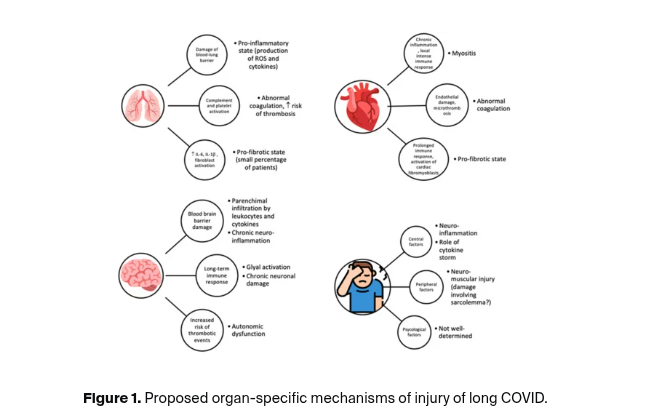
The coronavirus disease 2019 (COVID-19) pandemic has caused significant medical, social, and economic impacts globally, both in the short and long term. Although most individuals recover within a few days or weeks from an acute infection, some experience longer lasting effects. Data regarding the postacute sequelae of severe acute respiratory syndrome coronavirus 2 infection (PASC) in children, or long COVID, are only just emerging in the literature. These symptoms and conditions may reflect persistent symptoms from acute infection (eg, cough, headaches, fatigue, and loss of taste and smell), new symptoms like dizziness, or exacerbation of underlying conditions. Children may develop conditions de novo, including postural orthostatic tachycardia syndrome, myalgic encephalomyelitis/chronic fatigue syndrome, autoimmune conditions and multisystem inflammatory syndrome in children. This state-of-the-art narrative review provides a summary of our current knowledge about PASC in children, including prevalence, epidemiology, risk factors, clinical characteristics, underlying mechanisms, and functional outcomes, as well as a conceptual framework for PASC based on the current National Institutes of Health definition.
Association of SARS-CoV-2 Infection With New-Onset Type 1 Diabetes Among Pediatric Patients From 2020 to 2021
September 23, 2022
This cohort study assesses the association of COVID-19 with new-onset type 1 diabetes among pediatric patients.
Introduction
Incidence of new-onset type 1 diabetes (T1D) increased during the COVID-19 pandemic,1 and this increase has been associated with SARS-CoV-2 infection.2 The US Centers for Disease Control and Prevention reported that pediatric patients with COVID-19 were more likely to be diagnosed with diabetes after infection, although types 1 and 2 were not separated.3 Therefore, whether COVID-19 was associated with new-onset T1D among youths remains unclear. This cohort study assessed whether there was an increase in new diagnoses of T1D among pediatric patients after COVID-19.
In this study, new T1D diagnoses were more likely to occur among pediatric patients with prior COVID-19 than among those with other respiratory infections (or with other encounters with health systems). Respiratory infections have previously been associated with onset of T1D,6 but this risk was even higher among those with COVID-19 in our study, raising concern for long-term, post–COVID-19 autoimmune complications among youths.
Impact of the COVID-19 Pandemic Environment on Early Child Brain and Cognitive Development
April 2022
Background
Since the first reports of the novel coronavirus in the US in early 2020, public health organizations have advocated preventative policies including stay-at-home orders that closed businesses, daycares, schools, playgrounds, and limited child learning activities. The impact of these policies on child neurodevelopment is unknown but may have significant long-term consequences.
Methods
Leveraging a large and ongoing longitudinal study of child neurodevelopment, we examined general childhood cognitive scores (assessed using the Mullen Scales of Early Learning) in 672 children between 0 and 3 years of age born between 2020 and 2021 (n-118) vs. the preceding decade from 2011 to 2019 (n=554). Brain neuroimaging (MRI) was also performed on each child. Using longitudinal mixed-effects models, we compared longitudinal trends of voxel-wise brain cognitive domain measures before and during the pandemic.

Long COVID in Children and Adolescents
February 13, 2022
Severe acute respiratory syndrome Coronavirus 2 (SARS-CoV-2) has caused significant mortality and morbidity worldwide.
In children, the acute SARS-CoV-2 infection is often asymptomatic or paucisymptomatic, and life-threatening complications are rare. Nevertheless, there are two long-term consequences of SARS-CoV-2 infection in children that raise concern: multisystem inflammatory syndrome in children (MIS-C) and long COVID.
While the understanding and the experience regarding the acute phase of SARS-CoV-2 infection have remarkably increased over time, scientific and clinical research is still exploring the long-term effects of COVID-19. In children, data on long COVID are scant.
Reports are conflicting regarding its prevalence, duration and impact on daily life. This narrative review explored the latest literature regarding long COVID-19 in the pediatric population. We showed that long COVID in children might be a relevant clinical problem…
Similar patterns of [18F]-FDG brain PET hypometabolism in paediatric and adult patients with long COVID: a paediatric case series
August 2021
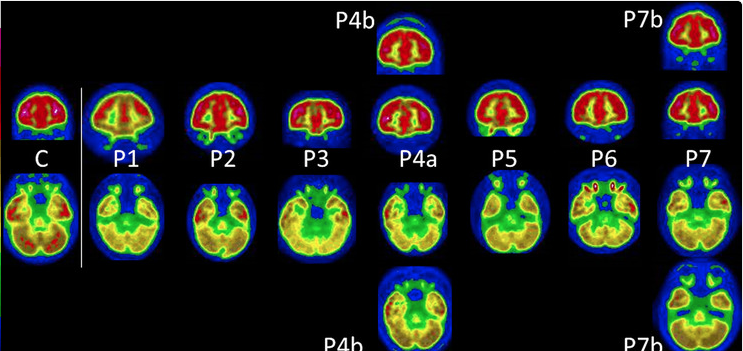
Several weeks after COVID-19 infection, some children report the persistence or recurrence of functional complaints. This clinical presentation has been referred as “long COVID” in the adult population, and an [18F]-FDG brain PET hypometabolic pattern has recently been suggested as a biomarker. Herein, we present a retrospective analysis of 7 paediatric patients with suspected long COVID who were explored by [18F]-FDG brain PET exam. Metabolic brain findings were confronted to those obtained in adult patients with long COVID, in comparison to their respective age-matched control groups.

Evidence of thrombotic microangiopathy in children with SARS-CoV-2 across the spectrum of clinical presentations
December 8, 2020
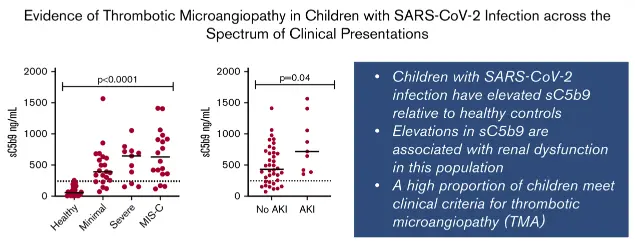
Most children with severe acute respiratory syndrome coronavirus 2 (SARS-CoV-2) infection have mild or minimal disease, with a small proportion developing severe disease or multisystem inflammatory syndrome in children (MIS-C). Complement-mediated thrombotic microangiopathy (TMA) has been associated with SARS-CoV-2 infection in adults but has not been studied in the pediatric population. We hypothesized that complement activation plays an important role in SARS-CoV-2 infection in children and sought to understand if TMA was present in these patients. We enrolled 50 hospitalized pediatric patients with acute SARS-CoV-2 infection (n = 21, minimal coronavirus disease 2019 [COVID-19]; n = 11, severe COVID-19) or MIS-C (n = 18). As a biomarker of complement activation and TMA, soluble C5b9 (sC5b9, normal 247 ng/mL) was measured in plasma, and elevations were found in patients with minimal disease (median, 392 ng/mL; interquartile range [IQR], 244-622 ng/mL), severe disease (median, 646 ng/mL; IQR, 203-728 ng/mL), and MIS-C (median, 630 ng/mL; IQR, 359-932 ng/mL) compared with 26 healthy control subjects (median, 57 ng/mL; IQR, 9-163 ng/mL; P < .001). Higher sC5b9 levels were associated with higher serum creatinine (P = .01) but not age. Of the 19 patients for whom complete clinical criteria were available, 17 (89%) met criteria for TMA. A high proportion of tested children with SARS-CoV-2 infection had evidence of complement activation and met clinical and diagnostic criteria for TMA. Future studies are needed to determine if hospitalized children with SARS-CoV-2 should be screened for TMA, if TMA-directed management is helpful, and if there are any short- or long-term clinical consequences of complement activation and endothelial damage in children with COVID-19 or MIS-C.

CHOP Researchers Find Elevated Biomarker Related to Blood Vessel Damage in All Children with SARS-CoV-2 Regardless of Disease Severity

December 7, 2020
Researchers at Children’s Hospital of Philadelphia (CHOP) have found elevated levels of a biomarker related to blood vessel damage in children with SARS-CoV-2 infection, even if the children had minimal or no symptoms of COVID-19. They also found that a high proportion of children with SARS-CoV-2 infection met clinical and diagnostic criteria for thrombotic microangiopathy (TMA). TMA is a syndrome that involves clotting in the small blood vessels and has been identified as a potential cause for severe manifestations of COVID-19 in adults.
The findings were published today in Blood Advances.
“We do not yet know the clinical implications of this elevated biomarker in children with COVID-19 and no symptoms or minimal symptoms,” said co-senior author David T. Teachey, MD, an attending physician, Co-Leader of the Immune Dysregulation Frontier Program, and Director of Clinical Research at the Center for Childhood Cancer Research at CHOP. “We should continue testing for and monitoring children with SARS-CoV-2 so that we can better understand how the virus affects them in both the short and long term.”